Finding hope in Zepbound
Zepbound is both a GLP-1 and GIP medication, which means the drug mimics two hormones that help regulate appetite and digestion, helping patients to reduce food intake and lose weight.
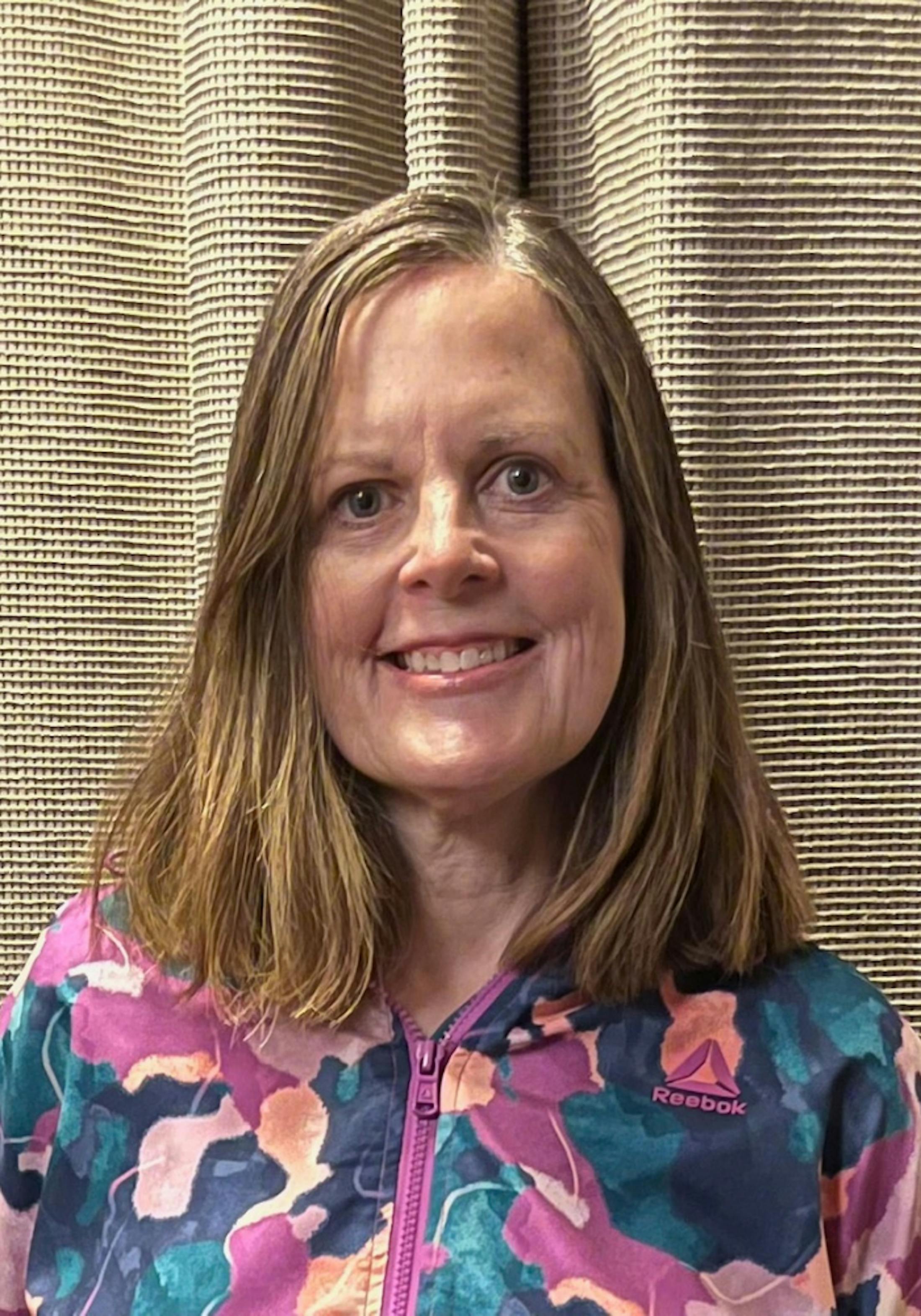
“The neat thing about Zepbound is it works,” Julie says. “The way it’s changed my appetite allows me to have a serving of something I like and then be satisfied, and not beat myself up about overeating. I hadn't ever felt like that before.”
Along with taking Zepbound, Julie also had a DEXA scan and met with an Elevé nutritionist, who encouraged Julie to consume up to 75 grams of protein daily. Getting enough protein is important when taking GLP-1 and GIP medications to help prevent muscle loss, fatigue and maintain a healthy metabolism. The nutritionist also recommended adding fiber to her diet as well.
“I never viewed this like as a weight loss program,” Julie says. “I saw it as my wellness journey. One thing I wanted to do is keep my mobility as I age. Now, how would I accomplish that? Well, eating right and eating normal portions of food—and that comes so much easier with the help of the Zepbound.” Julie added weight training to increase her muscle mass, and she made simple changes to naturally increase aerobic activity in her daily routine, such as switching pharmacies so that she could ride her bike to pick up her medication.
Adjusting to Zepbound and reaping benefits
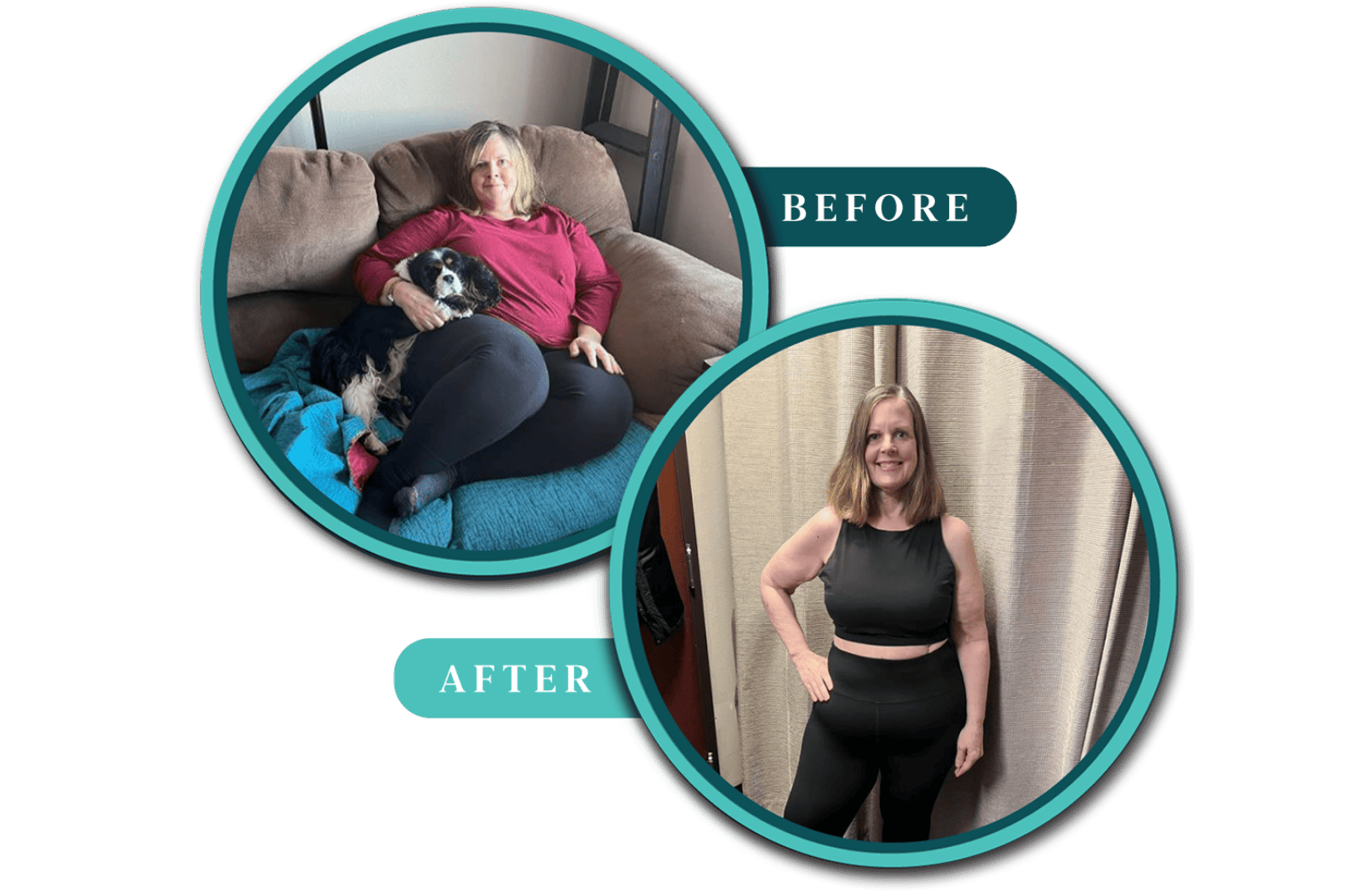
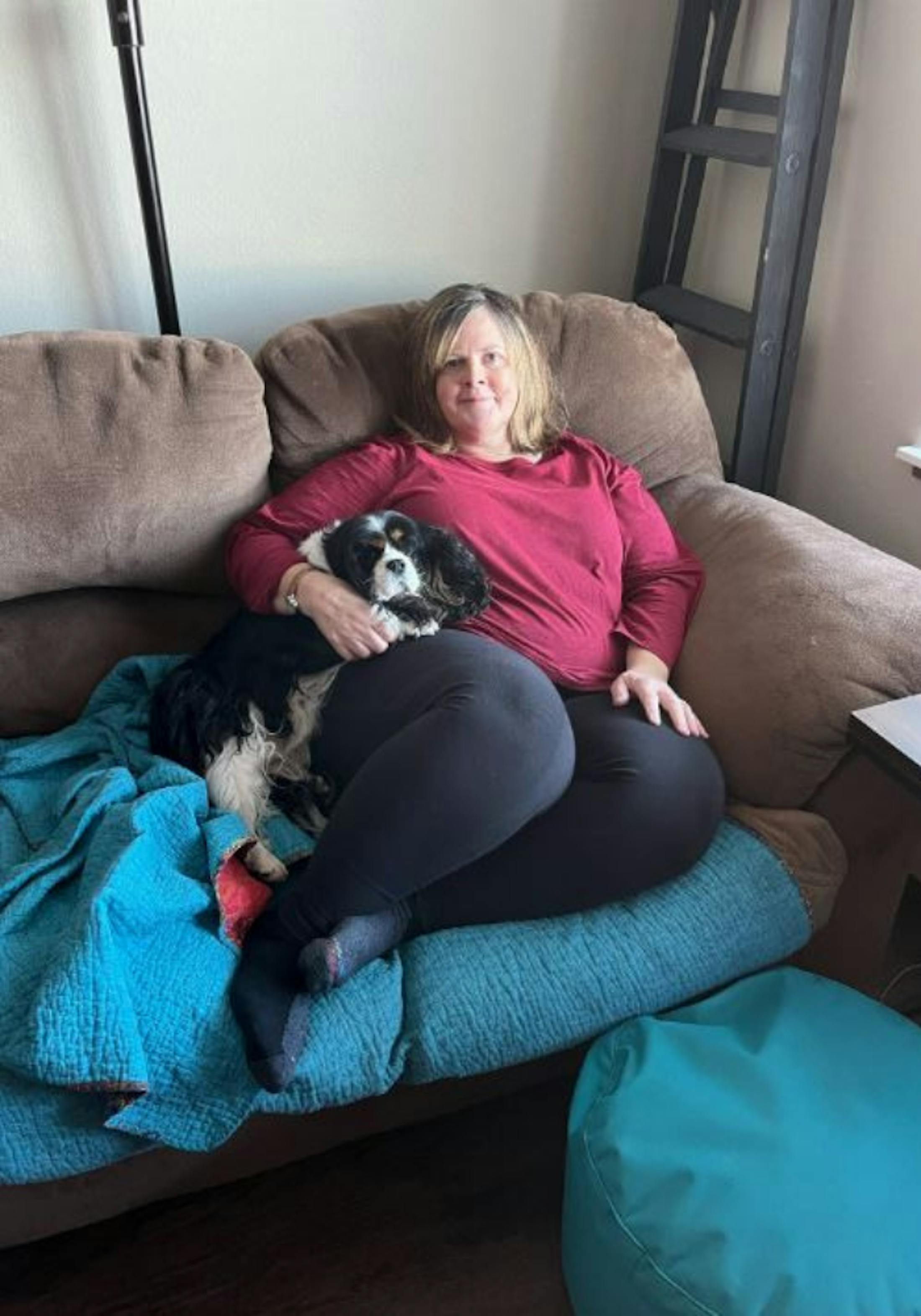
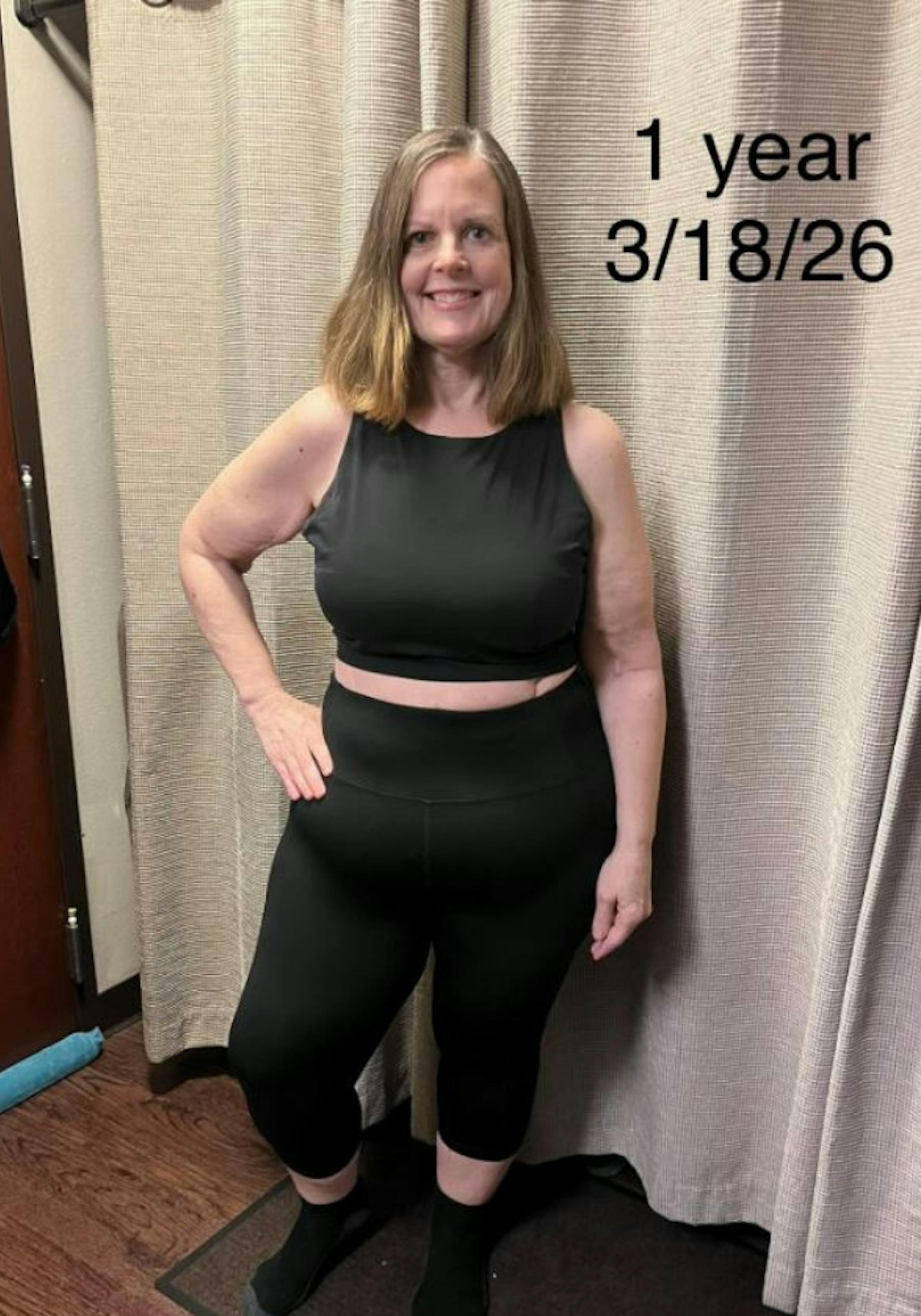
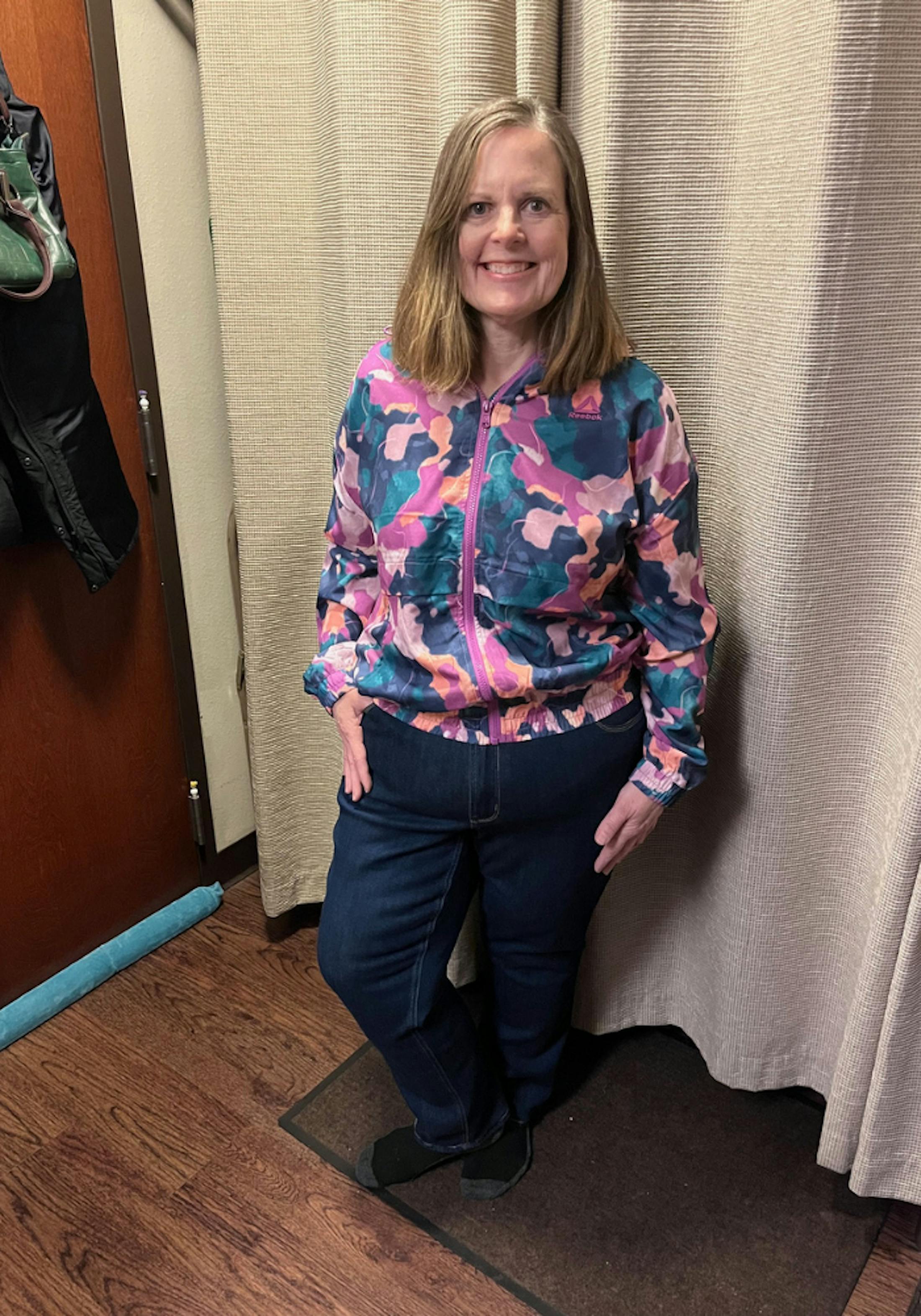
When Julie first began taking Zepbound, she felt a bit nauseated, which was resolved by nibbling on saltines. “As my body got used to it, the nausea left. I also had some constipation, and that’s where the fiber helped.” Just over a year after beginning to take the medication, Julie was close to her weight loss goal of 170 pounds. “I’m at 183 right now, so I’m coming close to where I wanted to be,” she says. “One-seventy is still my goal, but we have to revisit that—because here I come!”
Julie also has experienced positive changes beyond her weight loss. Her mobility is better, and she’s added strength training, Tai Chi and Pilates to her routine of walking. “I feel an awakening within my body,” Julie says. She also noticed an unexpected result: When she visited the dentist, she noticed her gum health had improved. “I wasn't thinking my dental hygiene would be impacted,” she says. “The inflammation in my body has left me. I thought I would just always feel like a 60-year-old person, I thought the aches and pains came with age. It came with weight.” There’s also less food noise, or those persistent thoughts of hunger and cravings that can drive people to overeat. “I didn't realize how loud the volume had been turned up—that was my benchmark,” Julie says.
Her fatigue began to dissipate as she lost weight, and her energy grew as she slept more comfortably. “Now, I can follow through on ideas and projects, and I can participate in life. I don’t feel so tired, and I can accomplish things.” One of the most poignant benefits of Julie’s weight loss was that she was able to spend time with her mother as she entered hospice. “I have energy to be present, and hold space with my mom, and it was such an honor to be able to have the energy to be on that journey with her,” Julie says. “I played violin for her. We shared many special moments near the end, and Im so grateful for the energy that I had.”